I spent an entire weekend last year comparing AI writing tools for a content team I was advising. By Sunday evening, I had seventeen browser tabs open, three different free trials running, and a headache that no amount of coffee could cure. Every tool claimed to be the best. Every review site seemed to have a different winner. The problem was not a lack of information. It was an excess of conflicting information, much of it thin, biased, or outdated by the time it was published.
Choosing the right AI tool has become one of the most common and frustrating decisions facing professionals today. The market is saturated. New products launch weekly. Features overlap. Pricing is opaque. And the stakes are real. The wrong choice wastes money, disrupts workflows, and creates frustration that can sour an entire team on AI adoption.
This article provides a practical framework for conducting AI reviews and comparisons that actually help you make decisions. We will cover what to look for, how to test tools rigorously, common comparison mistakes, and specific evaluation criteria across major AI categories. Whether you are choosing your first AI tool or evaluating whether to switch from an existing one, this guide will help you cut through the noise and find what genuinely fits your needs.
Why Most AI Comparisons Fail to Help
Before building a better approach, it is worth understanding why so many comparisons fall short. I have read hundreds of AI reviews over the years, and the same problems appear repeatedly.
The Feature List Fallacy
Many comparisons reduce tools to bullet-point feature lists. Tool A has sentiment analysis. Tool B has real-time collaboration. Tool C has both. This approach implies that more features equal better value, which is rarely true. A tool with fewer features that you actually use, executed well, often outperforms a bloated platform where most capabilities sit untouched.
The Benchmark Bias
Some reviewers run standardized tests and declare winners based on metrics like speed or accuracy scores. These benchmarks can be useful, but they often measure performance on artificial tasks rather than real workflows. A tool that scores well on a standardized writing test might still produce awkward results for your specific industry or audience.
The Affiliate Incentive Problem
A significant portion of online AI reviews are driven by affiliate commissions. The reviewer earns money when you click their link and subscribe. This does not automatically make the review dishonest, but it creates a structural incentive to recommend tools with generous commission structures rather than those that best serve readers.
The Snapshot Obsolescence
AI tools evolve rapidly. A review written in January may be outdated by June. Features change. Pricing shifts. New competitors emerge. Static comparisons have a short shelf life, yet they remain prominent in search results long after their relevance has faded.
I learned to distrust simple rankings and instead developed a personal framework that evaluates tools based on how they perform in my actual workflow over a meaningful trial period. That framework is what I will share here.
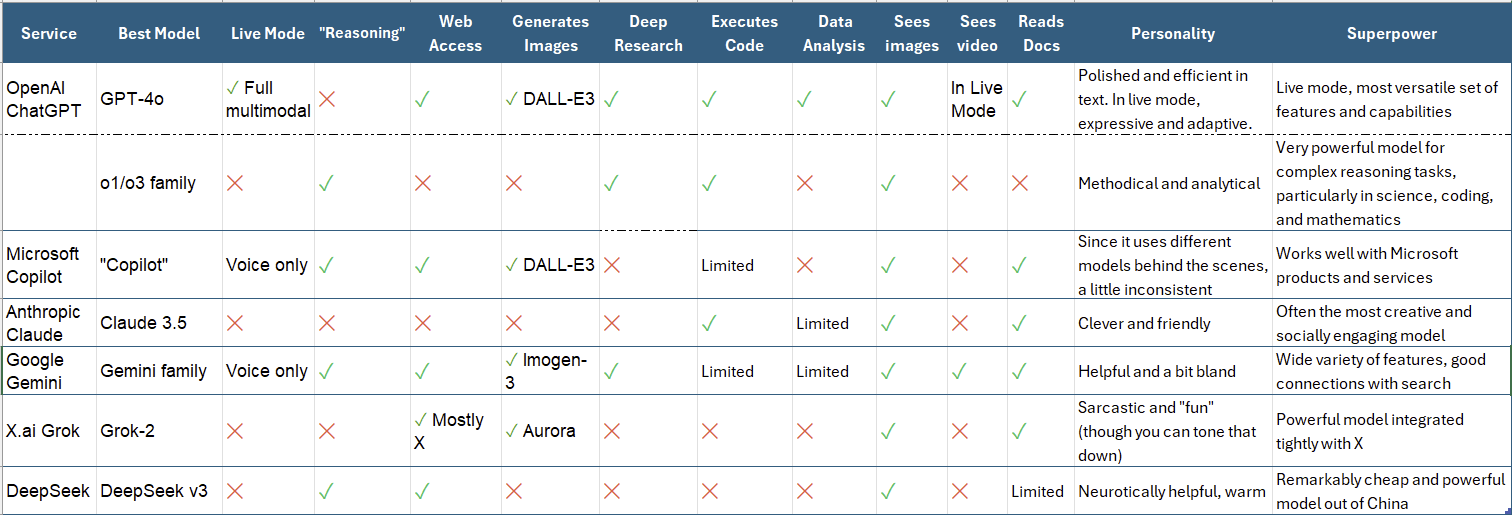
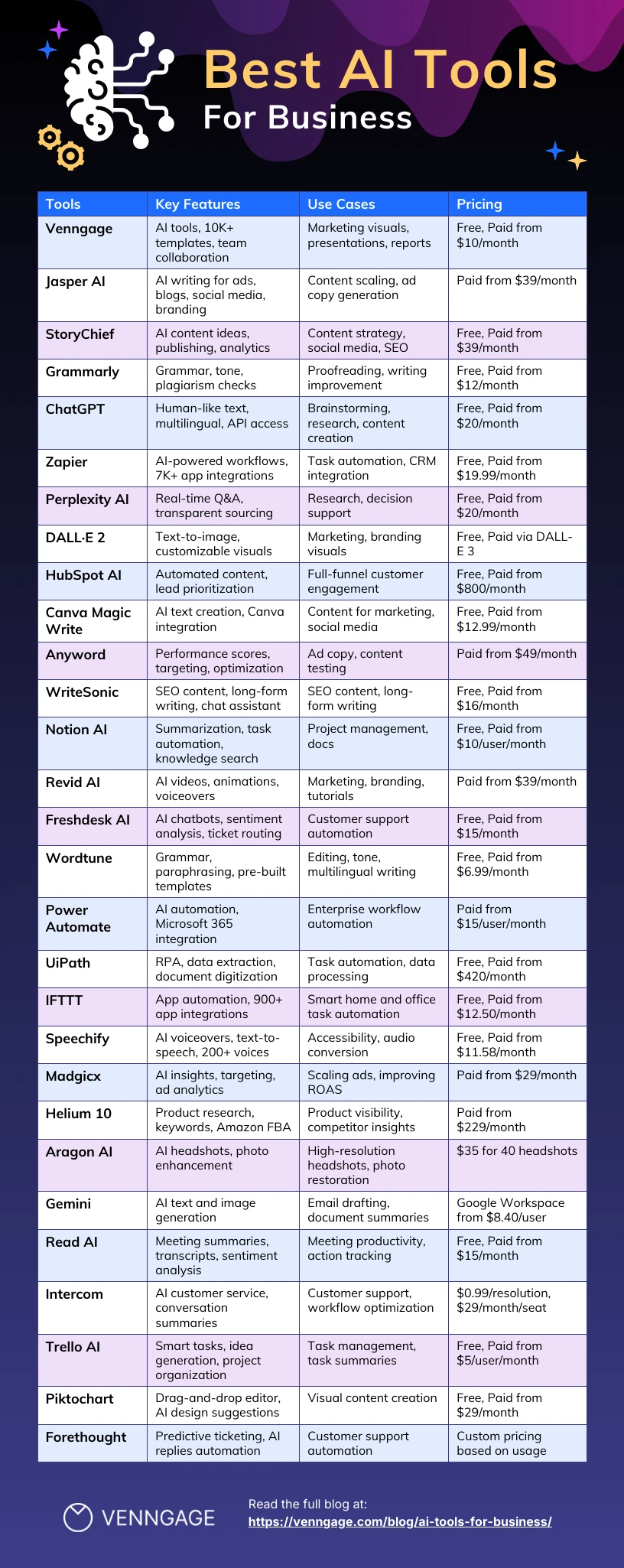
A Framework for Meaningful AI Comparisons
The goal of a comparison is not to find the universally best tool. It is to find the best tool for your specific situation. This requires clarity about your own needs before you evaluate anything else.
Define Your Non-Negotiables
Start by listing what the tool must do. Not what would be nice to have, but what is essential. For a writing tool, this might be support for your primary language, integration with your content management system, and compliance with your organization’s data policies. For an image generator, it might be commercial usage rights and a specific style capability.
I once helped a nonprofit choose a chatbot platform. Their non-negotiables were affordability for a small budget, multilingual support for their diverse community, and the ability to escalate conversations to human staff. Tools that excelled at enterprise analytics but lacked these basics were eliminated immediately, regardless of how impressive their other features were.
Map Your Workflow
Draw a simple diagram of how the AI tool would fit into your current process. Where does input come from? What happens to the output? Who else needs access? What happens when the AI gets something wrong? A tool that disrupts this workflow rather than integrating into it creates hidden costs that feature comparisons never capture.
Establish Evaluation Criteria
Based on your needs and workflow, create a weighted scoring system. Common criteria include:
-
Accuracy and quality: How well does the tool perform its core task?
-
Ease of use: How quickly can you become productive?
-
Integration: Does it connect with your existing tools?
-
Support and documentation: Can you get help when stuck?
-
Pricing transparency: Are costs predictable and fair?
-
Privacy and security: Does it handle your data responsibly?
-
Scalability: Will it grow with your needs?
Weight these according to your priorities. For a solo freelancer, ease of use and pricing might matter most. For an enterprise team, security and scalability might dominate.
How to Test AI Tools Rigorously
Free trials are your most valuable resource. But most people waste them by clicking around superficially for an hour and forming an impression. A rigorous test requires structure.
The Real-World Task Test
Do not test with generic examples. Use your actual work. Feed the writing tool a real blog post you need to draft. Ask the image generator to create visuals for an actual campaign. Run the chatbot through questions your actual customers ask. This reveals performance gaps that demo scenarios hide.
The Edge Case Probe
Test deliberately difficult inputs. Long documents for summarization tools. Ambiguous or emotional queries for chatbots. Complex multi-step instructions for automation platforms. Every tool works well on easy tasks. The differences emerge under stress.
The Collaboration Check
If multiple people will use the tool, have them test it independently. Compare their experiences. A tool that feels intuitive to a tech-savvy user might confuse a less technical colleague. Team adoption is a critical success factor that individual testing misses.
The Support Stress Test
Intentionally break something or ask a difficult question of customer support. Measure response time, helpfulness, and whether you reach a human or a bot loop. Support quality often matters more than features when you encounter problems.
I tested three project management tools with AI features for a client. Two performed similarly on core tasks. The deciding factor was that one vendor’s support team responded to a complex integration question with a detailed, customized solution within four hours. The other sent a generic help article two days later. That difference in support quality was worth the slightly higher subscription price.
Comparing Major AI Categories
Different categories of AI tools require different evaluation approaches. Here is how to think about comparisons in the most common areas.
AI Writing and Content Tools
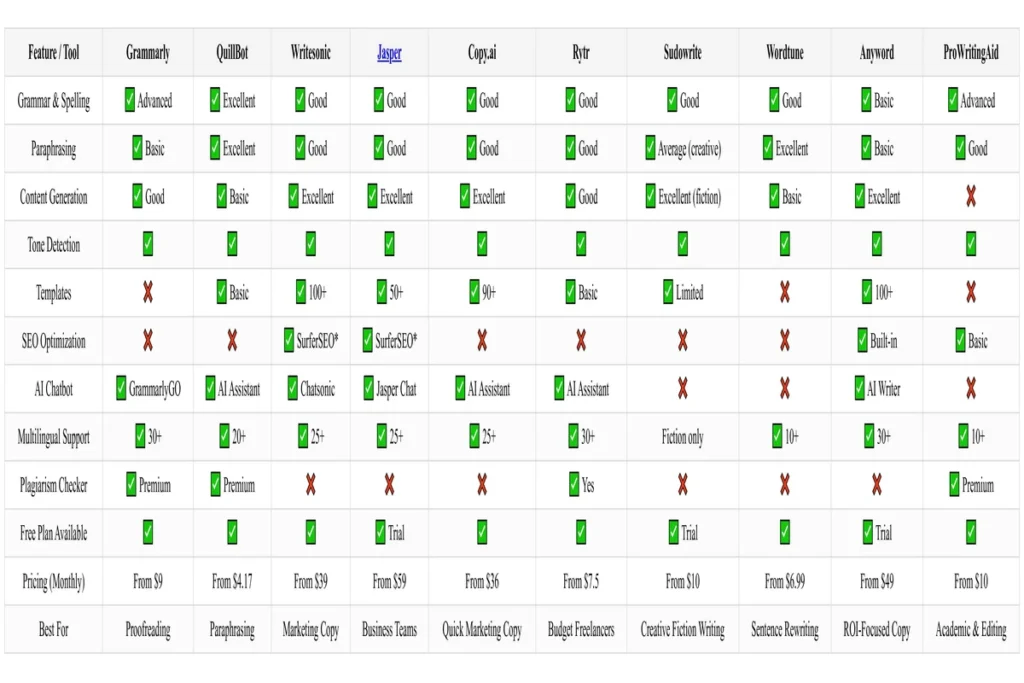
When comparing writing assistants, focus on context handling and voice consistency. Many tools generate fluent paragraphs but lose coherence across longer documents or fail to maintain a consistent tone. Test with a multi-section project, not just isolated paragraphs.
Evaluate how well the tool understands your domain. A general writing assistant might struggle with technical, medical, or legal content. Look for tools that allow custom instructions, style guides, or training on your existing content.
Consider output control. Can you easily edit, refine, and redirect the AI? Tools that treat output as fixed create friction. Tools that support iterative collaboration feel more like working with a skilled assistant.
AI Image Generators
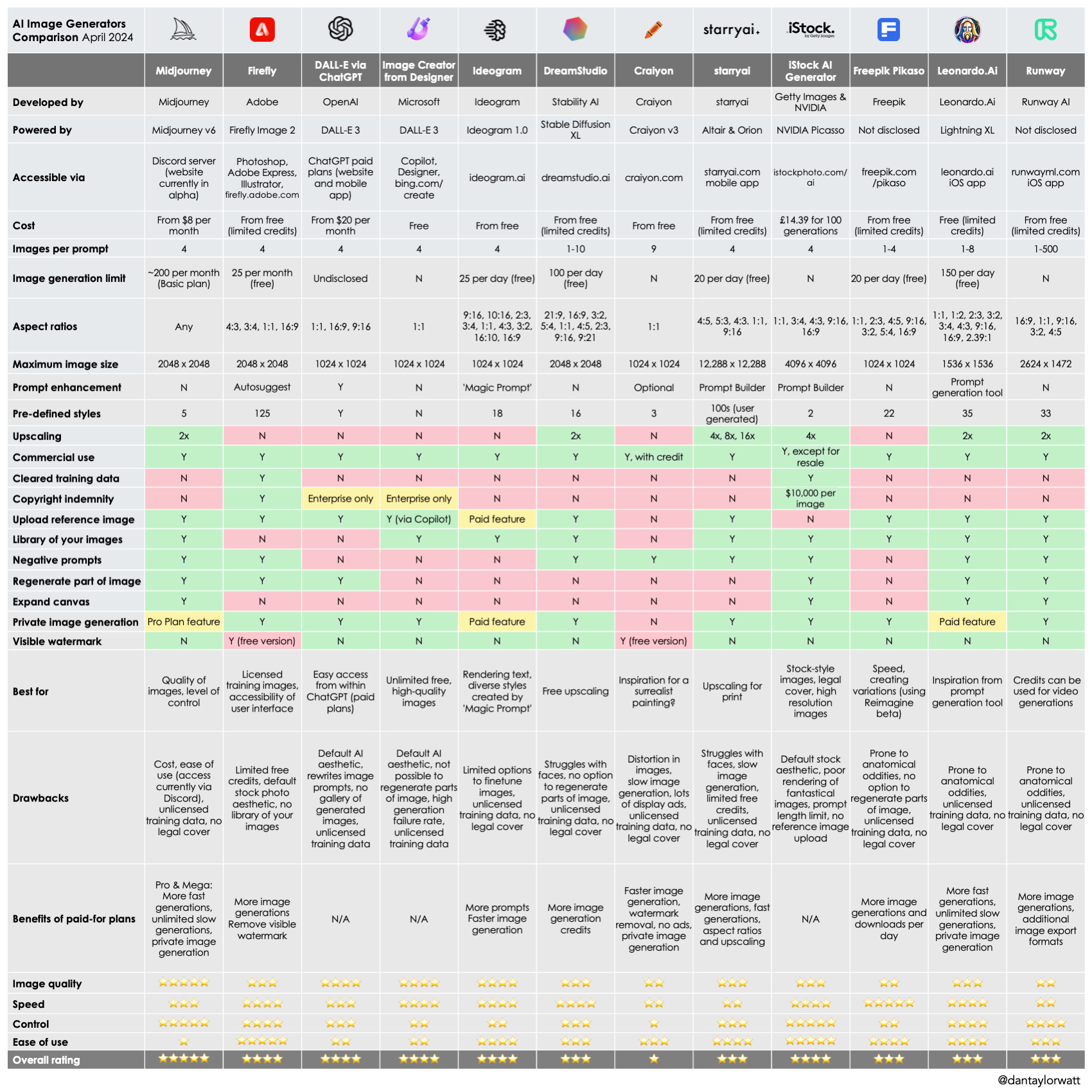
Image comparison requires attention to style control, prompt fidelity, and editing capability. Test whether the tool consistently produces what you describe, or whether it takes creative liberties you did not request.
Compare output resolution, licensing terms, and commercial usage rights. Some tools generate beautiful images but restrict how you can use them. Others allow full commercial use but produce lower quality.
Examine the editing workflow. Can you modify specific elements of a generated image? Can you extend or inpaint? The best tools support an iterative creative process rather than one-shot generation.

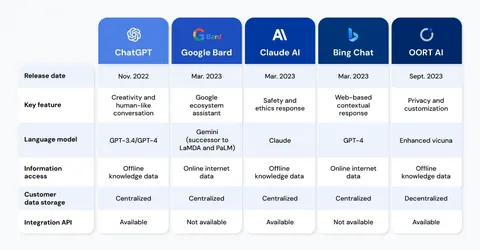
AI Chatbots and Assistants
For conversational AI, compare understanding depth, memory, and task completion. A good chatbot should maintain context across a multi-turn conversation, not treat each message as isolated.
Test whether the assistant can actually perform tasks or merely provide information. Can it book appointments, generate documents, or execute commands? The gap between conversational and actionable AI is significant.
Evaluate safety and boundary handling. How does the tool respond to inappropriate requests, ambiguous queries, or attempts to extract sensitive information? Responsible AI design matters as much as capability.
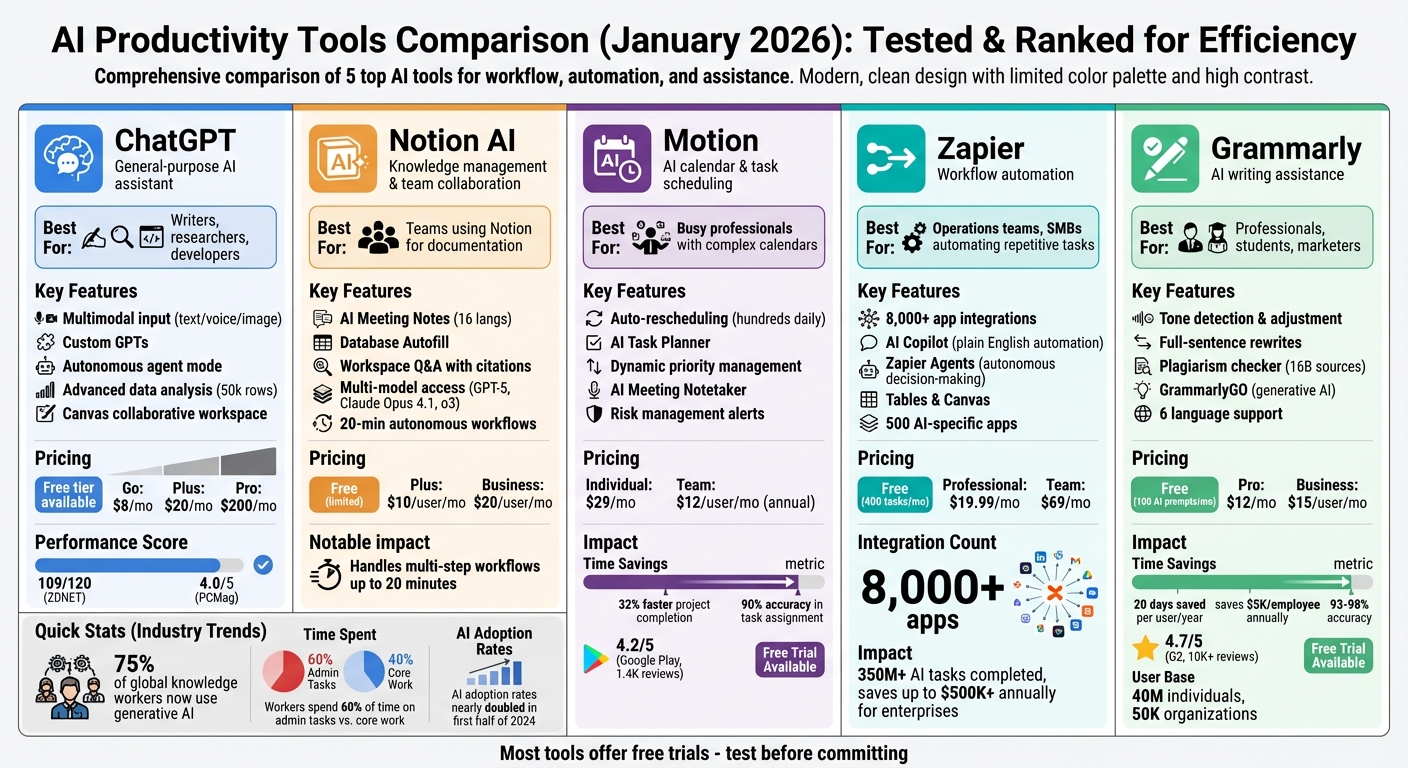
AI Productivity and Automation Platforms
Productivity tool comparisons should focus on integration breadth, reliability, and error handling. A platform that connects to thousands of apps is useless if the connections break or sync incorrectly.
Test the automation builder. Is it intuitive? Can you debug workflows when they fail? Does it provide clear logs and error messages? The best platforms make complex automation feel simple and make failures easy to diagnose.
Consider the learning curve for your team. A powerful platform that requires weeks of training may not be worth the investment for a small team with simple needs.
Common Comparison Mistakes to Avoid
Even with a good framework, it is easy to make decisions you later regret. Here are the mistakes I see most often.
Overvaluing Headline Features
A tool announces a groundbreaking new capability. Reviewers write excited articles. Early adopters praise it. Six months later, the feature is buggy, underused, or removed entirely. Do not base decisions on single features. Base them on consistent core performance.
Ignoring Total Cost of Ownership
Subscription pricing is visible. Hidden costs are not. Factor in training time, integration effort, data migration, potential overage fees, and the cost of switching if the tool does not work out. A cheaper tool with high hidden costs is often more expensive than a premium option that works smoothly.
Falling for the Newest Shiny Tool
The latest launch generates buzz. Early users post glowing reviews. But mature tools have documented reliability, established support processes, and proven longevity. Unless the new tool solves a problem that nothing else addresses, consider waiting for it to prove itself.
Neglecting the Exit Strategy
Before committing to any tool, understand how you would leave if needed. Can you export your data? Are your workflows portable? Vendor lock-in is a real risk, especially with AI platforms that store your content and learn from your usage patterns.
Comparing Too Many Tools at Once
Analysis paralysis is real. Limit your comparison to three to five serious candidates. More than that and you cannot test deeply enough to form a meaningful judgment. Eliminate obvious mismatches early and focus your energy on genuine contenders.
Practical Tips for Making the Final Decision
When you have narrowed your options, here is how to make a confident choice.
Run a parallel trial. Use your top two or three candidates simultaneously for the same real tasks. Direct comparison reveals differences that sequential testing obscures.
Calculate the cost of indecision. Spending weeks comparing tools that cost twenty dollars per month is often more expensive than picking one and learning to use it well. Set a decision deadline and stick to it.
Seek references from similar users. A tool that works well for a solo freelancer might struggle for a fifty-person team. Find users with similar scale, industry, and use cases to yours.
Trust your team’s reaction. If the people who will use the tool daily find it frustrating or confusing, listen. Adoption failure is the most common reason AI tools underperform, and it is rarely the tool’s fault alone.
Plan for a review period. Commit to your choice for a defined period, three to six months, then evaluate whether it is meeting your needs. This prevents both premature abandonment and prolonged tolerance of a poor fit.
Frequently Asked Questions
How do I know if a review is trustworthy?
Look for specificity. Trustworthy reviews describe actual use cases, mention limitations, and explain who the tool is best for. Be skeptical of reviews that are entirely positive, lack detail, or push you toward a single purchase link. Check whether the reviewer discloses affiliate relationships.
Should I choose the market leader or a niche alternative?
Market leaders offer stability, extensive integrations, and large user communities. Niche alternatives may offer superior performance for specific use cases, better support, or more favorable pricing. If your needs are standard, the leader is often safest. If your needs are specialized, a niche tool might serve you better.
How often should I re-evaluate my AI tools?
Plan a formal review annually. Informally, stay aware of major developments in your category. Do not switch constantly, chasing every new feature. But do not become so entrenched that you miss genuine improvements that could benefit your workflow.
Is it better to use one AI platform or multiple specialized tools?
This depends on your tolerance for complexity and your integration needs. A single platform reduces fragmentation and learning curves. Multiple specialized tools may deliver better performance for specific tasks. Many successful users adopt a hybrid approach, one primary platform supplemented by specialized tools for critical functions.
How do I compare AI tools when I am not technical?
Focus on outcomes, not internals. Can you complete your tasks? Is the output quality acceptable? Is the interface intuitive? Does support help when you are stuck? These user-centric criteria matter more than technical specifications for most non-technical buyers.
Final Thoughts
The AI tool market will only become more crowded and more complex. The professionals who thrive will not be those who use the most tools or the newest ones. They will be those who develop the discipline to evaluate carefully, choose thoughtfully, and commit to mastery rather than perpetual shopping.
My weekend of seventeen tabs and three trials taught me that comparison is necessary but can become its own form of procrastination. The best AI tool is not the one with the longest feature list or the highest benchmark score. It is the one that fits your workflow, earns your team’s trust, and delivers consistent value without demanding constant attention.
Develop your own evaluation framework. Test rigorously but decide decisively. Review periodically but switch rarely. In a market designed to overwhelm you with options, the ultimate competitive advantage is the clarity to know what you need and the confidence to choose it.