
I remember the first time I tried to learn about artificial intelligence. It was 2020, and I opened a popular online course expecting a gentle introduction. Instead, I was immediately confronted with linear algebra, gradient descent, and neural network architectures. I felt like someone had handed me the keys to a spaceship before teaching me how to drive. I closed the tab, convinced that AI was reserved for mathematicians and computer scientists with advanced degrees.
Three years later, I tried again. This time, I approached it differently. I started with practical tools rather than theoretical foundations. I learned how to write effective prompts before I understood how transformers worked. I built small automation projects before I studied machine learning algorithms. That hands-on approach transformed AI from an intimidating academic subject into a practical skill I could use every day. It also taught me that the best way to learn AI is not through abstract theory alone, but through guided exploration that connects concepts to real-world applications.
This article provides a comprehensive guide and tutorial framework for learning AI at any level. Whether you are a complete beginner, a professional looking to integrate AI into your work, or someone curious about how these systems actually function, you will find a structured path forward here. We will cover foundational concepts, practical skills, step-by-step tutorials, common learning pitfalls, and resources that genuinely help rather than overwhelm.
Why Traditional AI Education Often Fails
Before diving into what works, it is worth understanding why so many people abandon AI learning. The field has a reputation for being inaccessible, and that reputation is not entirely undeserved.
The Theory-First Trap
Many AI courses and textbooks begin with mathematics. Linear algebra, calculus, probability, and statistics are genuinely important for deep understanding. But starting there is like teaching someone music theory before they have ever heard a song. The abstraction feels meaningless without context. Learners lose motivation before they ever see what AI can actually do.
The Hype-Without-Substance Problem
At the opposite extreme, some tutorials promise to make you an AI expert in a weekend. They teach you to copy-paste prompts or click through no-code interfaces without explaining what is happening under the hood. This produces superficial familiarity that crumbles when you encounter a problem the tutorial did not anticipate.
The Fragmented Landscape
AI is not a single discipline. It encompasses machine learning, natural language processing, computer vision, robotics, ethics, and more. A beginner searching for guidance encounters a bewildering array of frameworks, tools, and specializations with no clear map of how they connect.
I experienced all three of these failures. What ultimately worked was a blended approach that alternated between doing and understanding, between practical application and conceptual depth. The guide that follows reflects that balanced philosophy.
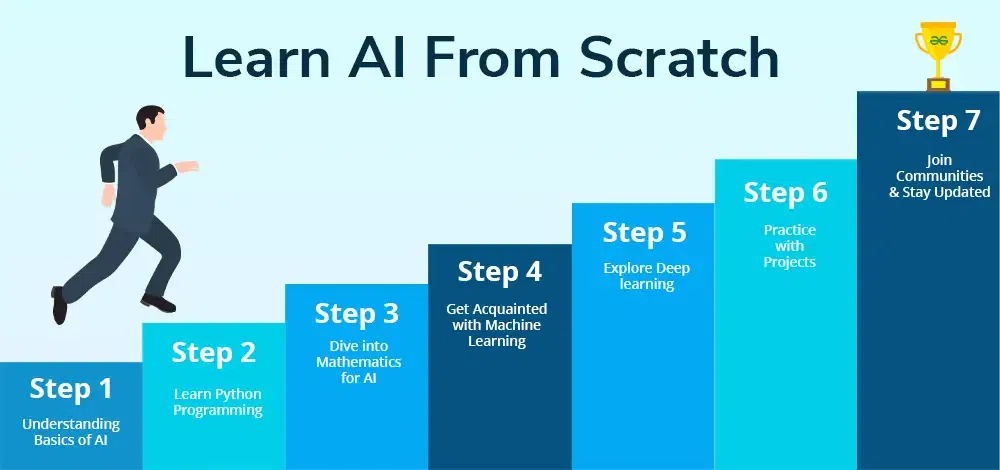
Level One: Getting Started With AI Tools
The best entry point into AI is not a textbook. It is a tool. Using AI tools gives you immediate feedback, builds intuition, and creates motivation to understand more. This level requires no programming and no mathematical background.
Understanding Prompt Engineering
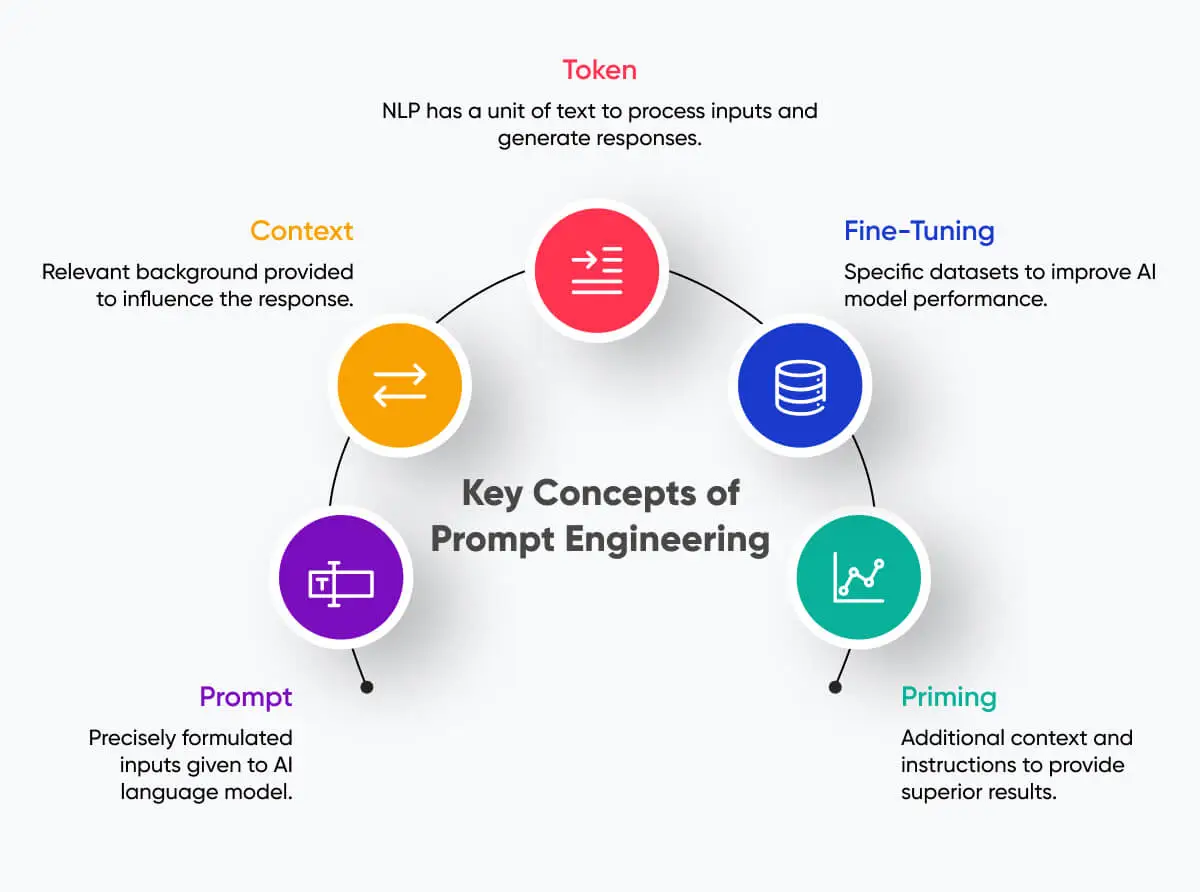
Prompt engineering is the skill of communicating effectively with AI systems, particularly large language models. It is not about memorizing magic words. It is about understanding how these models process language and how to structure requests to get useful, accurate results.
The fundamentals are surprisingly simple. Be specific about what you want. Provide context. Break complex tasks into steps. Ask the AI to explain its reasoning. Use examples to illustrate the style or format you need. I spent weeks struggling with vague prompts before realizing that clarity and structure matter more than technical jargon.
A practical exercise is to take a task you do regularly, drafting emails, summarizing articles, brainstorming ideas, and experiment with different ways of asking an AI assistant to help. Notice which approaches produce better results and refine your technique iteratively.
Exploring AI Image and Text Generators
Hands-on experimentation with generative AI tools builds practical understanding faster than reading about them. Try generating images with different style descriptions. Write short stories with AI assistance. Create marketing copy. The goal is not to produce publishable work immediately. It is to understand the capabilities and limitations of these tools through direct experience.
Building Simple Automations
No-code automation platforms allow you to connect AI services with everyday apps. You might create a workflow that automatically summarizes incoming emails, or one that generates social media posts from blog content. These projects teach you how AI fits into larger systems without requiring programming knowledge.

Level Two: Understanding How AI Actually Works
Once you have practical experience, understanding the underlying concepts becomes more meaningful. You have context for why the theory matters.
What Machine Learning Actually Means
Machine learning is a method where computers improve at tasks through exposure to data rather than explicit programming. Instead of writing rules for identifying spam emails, for example, you show the system thousands of labeled examples and let it discover patterns itself. This concept, learning from data, is the foundation of virtually all modern AI.
The key insight is that machine learning systems are statistical pattern matchers. They do not understand in the human sense. They identify correlations and make predictions based on what they have seen before. This explains both their power and their limitations. They excel at tasks with clear patterns and large datasets. They struggle with novel situations requiring common sense or causal reasoning.
Types of Machine Learning
There are three main categories worth knowing. Supervised learning uses labeled examples to train models for prediction and classification. Unsupervised learning finds hidden patterns in unlabeled data. Reinforcement learning trains systems through trial and error, rewarding desired outcomes.
Most practical applications you encounter, spam filters, recommendation engines, image recognition, rely primarily on supervised learning. Understanding this distinction helps you evaluate what AI can and cannot realistically do in a given situation.
Neural Networks and Deep Learning
Neural networks are computing systems loosely inspired by biological brains. They consist of interconnected nodes organized in layers. Deep learning refers to networks with many layers, which can learn increasingly abstract representations of data.
You do not need to understand the mathematical details to grasp the concept. Information flows through layers, each extracting features at a different level of complexity. In image recognition, early layers might detect edges and colors. Middle layers might identify shapes and textures. Deep layers might recognize entire objects. This hierarchical processing is why deep learning has proven so effective for complex tasks.

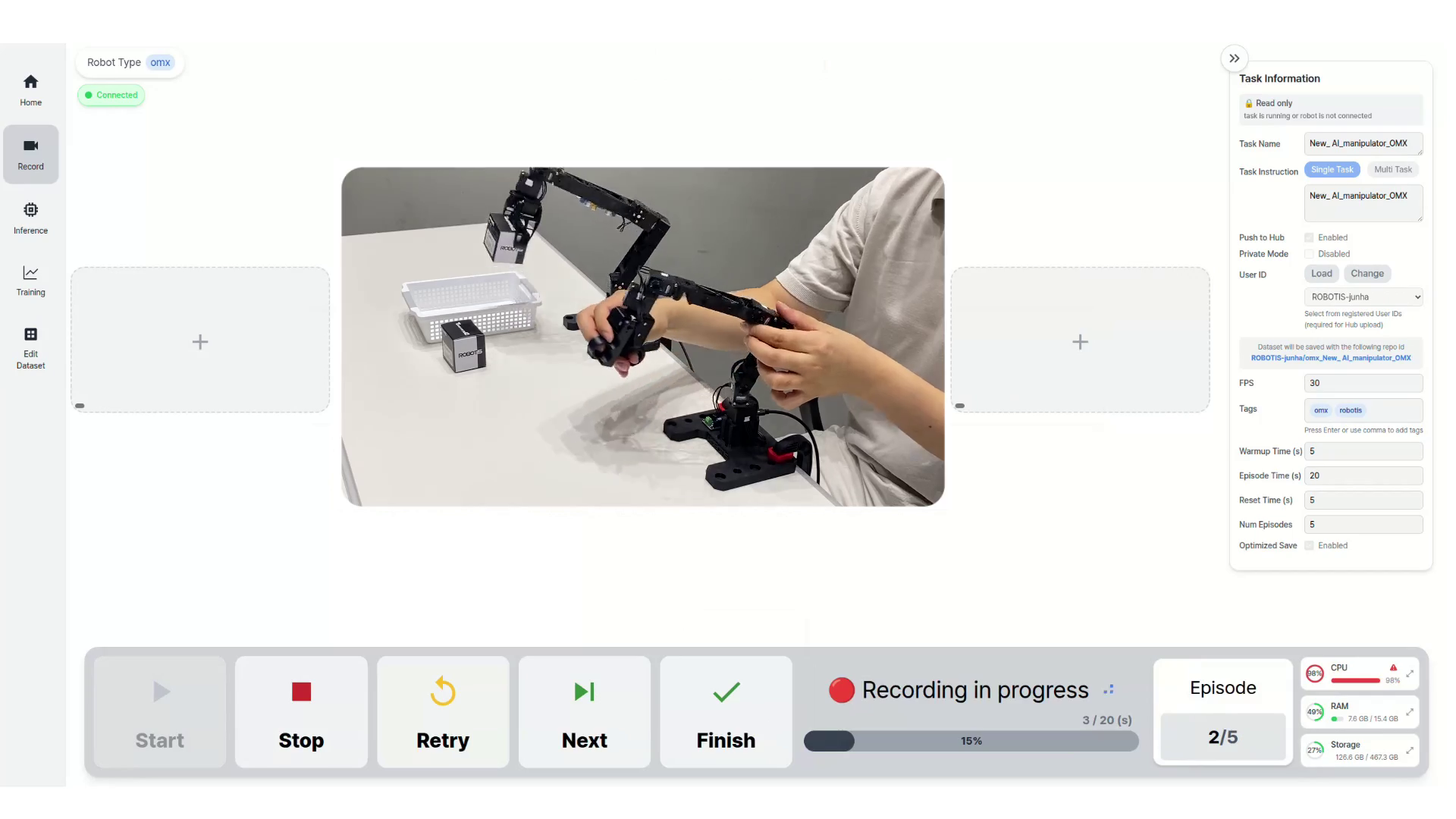
Level Three: Building Your First AI Projects
Theory becomes knowledge when you apply it. This level involves hands-on projects that solidify understanding and build confidence.
Setting Up Your Development Environment
For those ready to code, the standard toolkit includes Python, a beginner-friendly programming language, and libraries like TensorFlow or PyTorch for building models. Cloud platforms like Google Colab provide free access to computing resources, eliminating the need for expensive hardware.
If coding feels intimidating, visual tools and pre-built APIs allow you to experiment with AI capabilities without writing complex algorithms. Many platforms offer free tiers that are sufficient for learning projects.
Your First Machine Learning Project
A classic beginner project is building a model that classifies images or predicts house prices based on features. These tutorials walk you through the entire pipeline: loading data, preprocessing it, choosing a model, training it, evaluating performance, and making predictions.
The value is not in the specific project. It is in experiencing the end-to-end workflow. You learn that most of the work involves preparing and cleaning data, not running fancy algorithms. You learn that models often fail initially and require iterative improvement. You learn that evaluation is as important as training.
I built my first model to predict whether a customer would churn based on historical data. It performed poorly at first. Through debugging, I discovered that I had missed a critical data preprocessing step. Fixing it improved accuracy dramatically. That failure taught me more than any successful tutorial would have.
Working With Pre-Trained Models
Modern AI development rarely involves building models from scratch. Instead, developers use pre-trained models and adapt them to specific tasks. This approach, called transfer learning, allows you to leverage powerful models trained on massive datasets even when your own data is limited.
Learning to use pre-trained models effectively is a practical skill that delivers results faster than training from scratch. It also teaches you about model architectures, input formats, and fine-tuning strategies.
Level Four: Specialized Skills and Advanced Applications
Once you have foundational knowledge and basic project experience, you can explore specialized areas based on your interests and goals.
Natural Language Processing
Natural language processing focuses on enabling computers to understand and generate human language. Applications include chatbots, translation, sentiment analysis, and text summarization. Modern NLP relies heavily on transformer architectures, which process language by attending to relationships between all words in a sentence simultaneously.
Learning NLP involves understanding tokenization, embeddings, attention mechanisms, and model fine-tuning. The field moves quickly, with new models and techniques emerging regularly. Staying current requires following research publications and practitioner communities.
Computer Vision
Computer vision enables machines to interpret visual information. Applications include facial recognition, medical imaging analysis, autonomous driving, and quality inspection. Key concepts include convolutional neural networks, object detection, image segmentation, and generative models.
Practical computer vision projects might involve building a system that identifies plant diseases from smartphone photos, or one that counts objects in a manufacturing setting. These projects require understanding both the AI models and the image preprocessing techniques that prepare visual data for analysis.
AI Workflow Automation
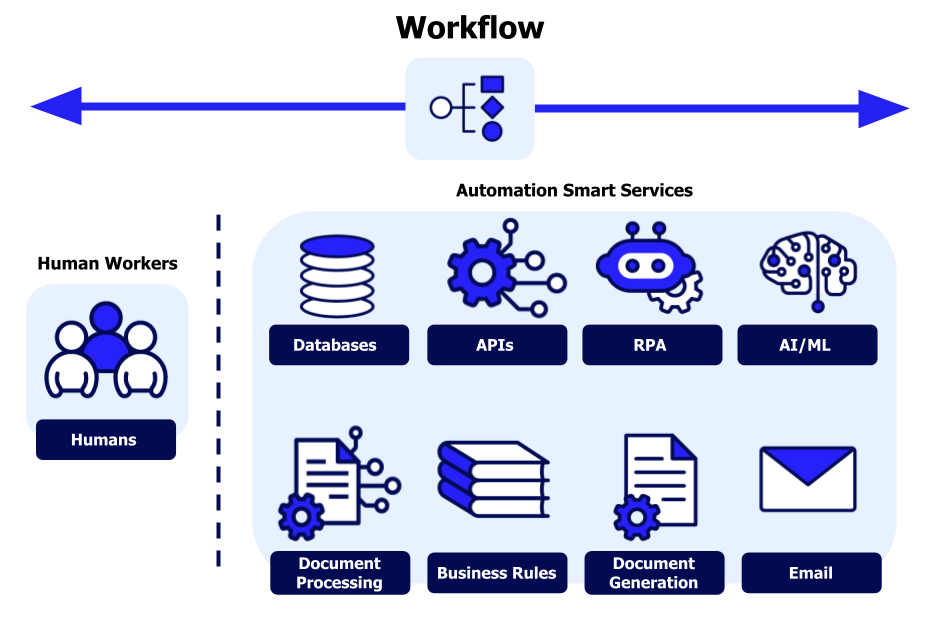
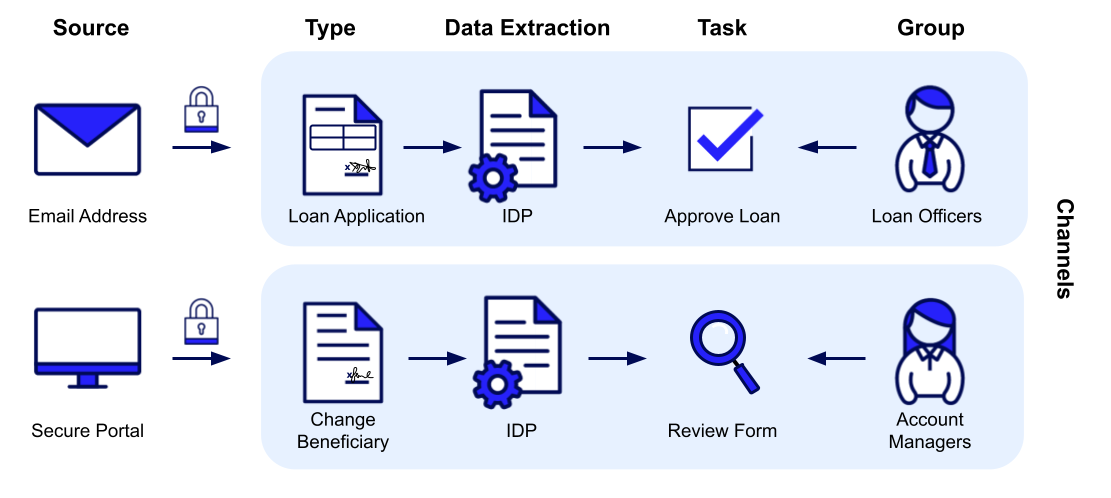
For professionals who want to integrate AI into business processes without becoming full-time developers, AI workflow automation is a valuable specialization. This involves connecting AI services, APIs, and business applications to create intelligent workflows.
Examples include automating document processing, building intelligent customer service systems, and creating data pipelines that feed AI analytics. Success requires understanding both the technical integration and the business processes being automated.

Common Mistakes When Learning AI
Even with a structured approach, learners often stumble. Here are the most common pitfalls and how to avoid them.
Trying to Learn Everything at Once
AI is vast. No one masters all of it. The temptation to jump between topics, machine learning today, robotics tomorrow, ethics the next day, produces fragmented knowledge and burnout. Choose a focus area and build depth before expanding.
Copying Code Without Understanding
Tutorial code is a starting point, not a destination. If you paste code without understanding what each line does, you cannot adapt it when requirements change. Take time to experiment. Modify parameters. Break things and fix them. That struggle is where learning happens.
Neglecting Data Quality
Beginners often focus on model selection while ignoring data preparation. In practice, data quality matters more than model sophistication. A simple algorithm with clean, relevant data often outperforms a complex model with messy inputs. Learn data cleaning and preprocessing early.
Ignoring Ethics and Bias
Technical skills alone are insufficient. AI systems affect real people, and poorly designed systems can cause harm. Developing ethical awareness and learning to detect bias should be part of every AI education, not an afterthought.
Expecting Linear Progress
Learning AI involves plateaus, confusion, and moments where nothing seems to work. This is normal. The field is genuinely difficult, and even experienced practitioners struggle with new problems. Persistence matters more than initial speed.
Practical Tips for Effective AI Learning
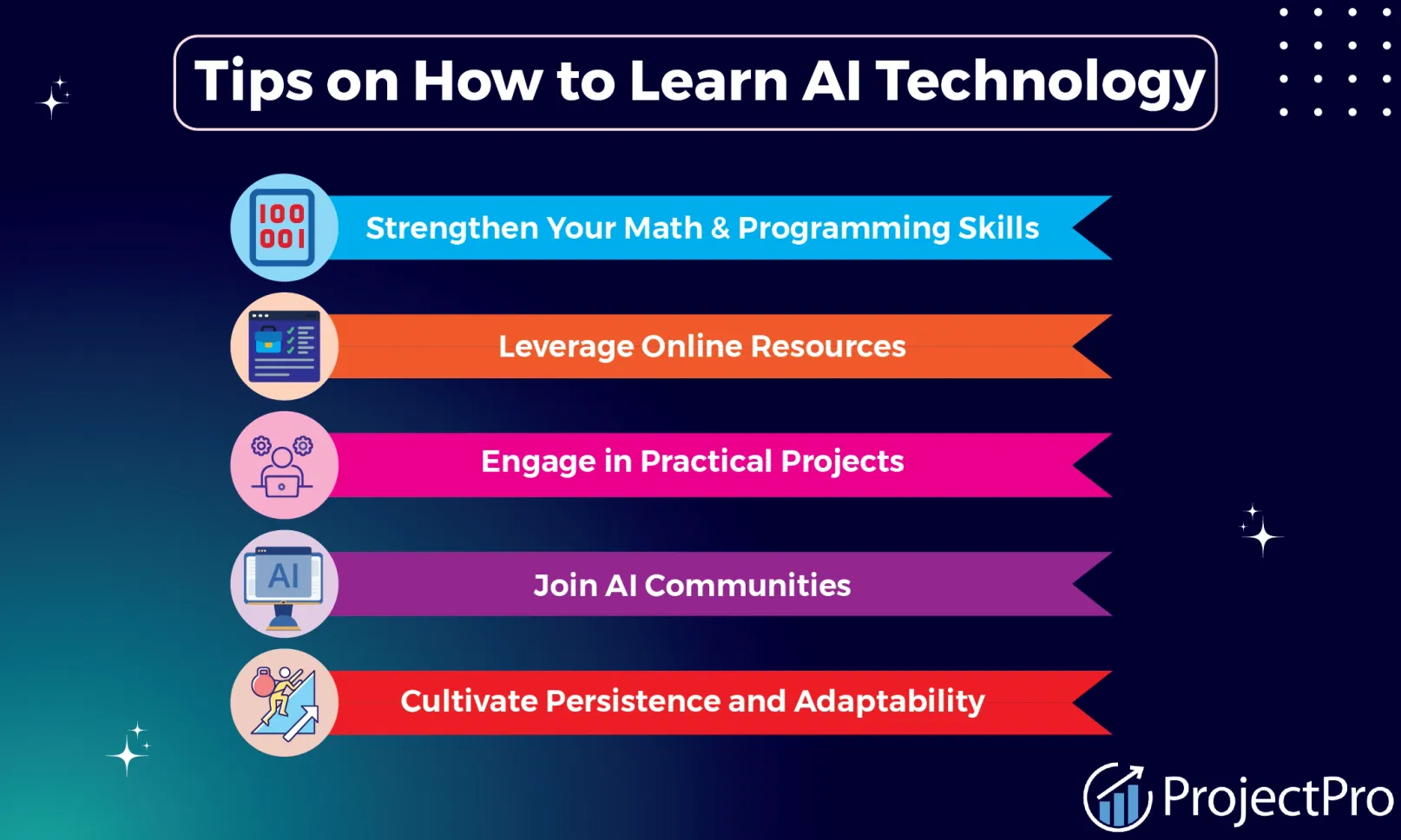
Based on my own journey and observations of successful learners, here are strategies that consistently produce results.
Learn by building, not just by reading. For every concept you study, find a way to apply it. Theoretical knowledge decays quickly without practical reinforcement.
Join communities of learners. Online forums, local meetups, and study groups provide support, accountability, and diverse perspectives. Explaining concepts to others is one of the best ways to solidify your own understanding.
Follow practitioners, not just academics. Researchers publish breakthroughs. Practitioners explain how to use them. Blogs, podcasts, and YouTube channels by working professionals often bridge the gap between research and application more effectively than formal papers.
Document your learning. Keep a notebook or blog of what you are studying, what you have built, and what you have struggled with. This creates a reference for future projects and reveals progress you might otherwise overlook.
Teach what you learn. Whether to colleagues, friends, or online audiences, teaching forces you to clarify your thinking and identify gaps in your knowledge. It is one of the most effective learning accelerators.
Stay current selectively. The field moves fast, but not every development matters for your goals. Curate a small set of high-quality information sources and ignore the rest. Information overload is a real obstacle to learning.
Frequently Asked Questions
Do I need to know programming to learn AI?
Not necessarily to begin. Many AI tools and no-code platforms allow you to use AI capabilities without writing code. However, if you want to build custom solutions or understand how systems work internally, programming knowledge becomes essential. Python is the most common language for AI development.
How long does it take to learn AI?
It depends on your goals and time commitment. You can become proficient with AI tools in weeks. Building a solid foundation in machine learning concepts might take several months of part-time study. Developing expertise in a specialized area typically requires a year or more of dedicated practice.
Is a formal degree necessary for a career in AI?
Not always. Many AI practitioners are self-taught or come from bootcamp backgrounds. What matters most is demonstrated ability through projects, portfolios, and practical contributions. However, advanced research roles and certain specialized positions may still require formal credentials.
What is the best way to stay updated with AI developments?
Follow a curated mix of sources: research publications for depth, practitioner blogs for application, and industry newsletters for trends. Participate in communities where people discuss and debate new developments. Focus on your area of interest rather than trying to track everything.
Can I learn AI if I am not good at math?
Yes, especially for applied AI. Basic statistics and algebra are sufficient for many practical applications. Advanced mathematics becomes important for research, model development, and understanding certain algorithms deeply. You can start with applications and build mathematical knowledge as needed.
What project should I build first?
Choose something that solves a problem you personally care about. If you are interested in health, build a symptom checker. If you love writing, build a text analysis tool. Personal motivation sustains you through the inevitable frustrations of learning.
Final Thoughts
Learning artificial intelligence is not about becoming a genius or memorizing algorithms. It is about developing a practical understanding of powerful tools and learning to apply them responsibly to real problems. The path is not linear. It involves experimentation, failure, curiosity, and gradual mastery.
My own journey from closing that first intimidating course to building functional AI projects taught me that the barrier to entry is lower than it appears. The resources are abundant. The community is welcoming. The tools are accessible. What is required is not extraordinary intelligence but sustained curiosity and a willingness to learn by doing.
The guides and tutorials in this article are not a complete education. They are a map. The actual territory is explored through your own projects, your own mistakes, and your own discoveries. Start with tools. Build understanding through practice. Choose a specialization that excites you. Connect with others who share your interests.
Artificial intelligence is reshaping the world in profound ways. The people who understand it, even at a practical level, will have opportunities that others miss. But more importantly, they will be equipped to participate thoughtfully in decisions about how these technologies are developed and deployed.
The best time to start learning AI was five years ago. The second best time is today. Pick a starting point from this guide, open a tool, write your first prompt, or run your first tutorial. The journey of a thousand miles begins with a single step, and in AI, that step is more accessible than ever before.